27+ Dreamy Veggie Garden Ideas to Make Your Backyard the Coziest Place Ever
Have you been scrolling through Pinterest late at night, totally dreaming of a beautiful, abundant veggie garden ideas space but feeling like it’s a huge undertaking? I know, it’s so easy to look at those perfectly curated images and think, “There’s no way I can make that happen,” or worry that your first attempt will just look like a pile of mud and weeds, right?
Trust me, when I started out, my little patch was more chaotic jungle than charming harvest area, and I definitely killed a few basil plants along the way—we’ve all been there!
But creating your own productive green corner is truly about so much more than just food; it’s about nurturing a cozy, sustainable, and super chic outdoor space that feels like a beautiful extension of your home.
Imagine stepping outside in the morning, feeling the cool morning dew, and breathing in that earthy scent of fresh rosemary and sweet basil before you even grab your coffee. Pure magic.
We’re talking about beautiful woven raised beds, little rows of baby greens catching the sun, and bright red tomatoes climbing up simple, rustic supports. It’s all about integrating that lush natural beauty right where you are.
Garden designers often emphasize structure, which is why utilizing defined paths or simple wooden beds instantly elevates the look and makes it feel less like farming and more like intentional, lovely design.
So ditch the pressure to be perfect! Gardening is truly meant to be simple, fun, and a little bit messy, because that’s where the best magic happens.
Let’s dive into some of the dreamiest, most approachable veggie garden ideas out there to inspire your own little slice of backyard heaven this season!
1. Create a Formal Potager Vibe
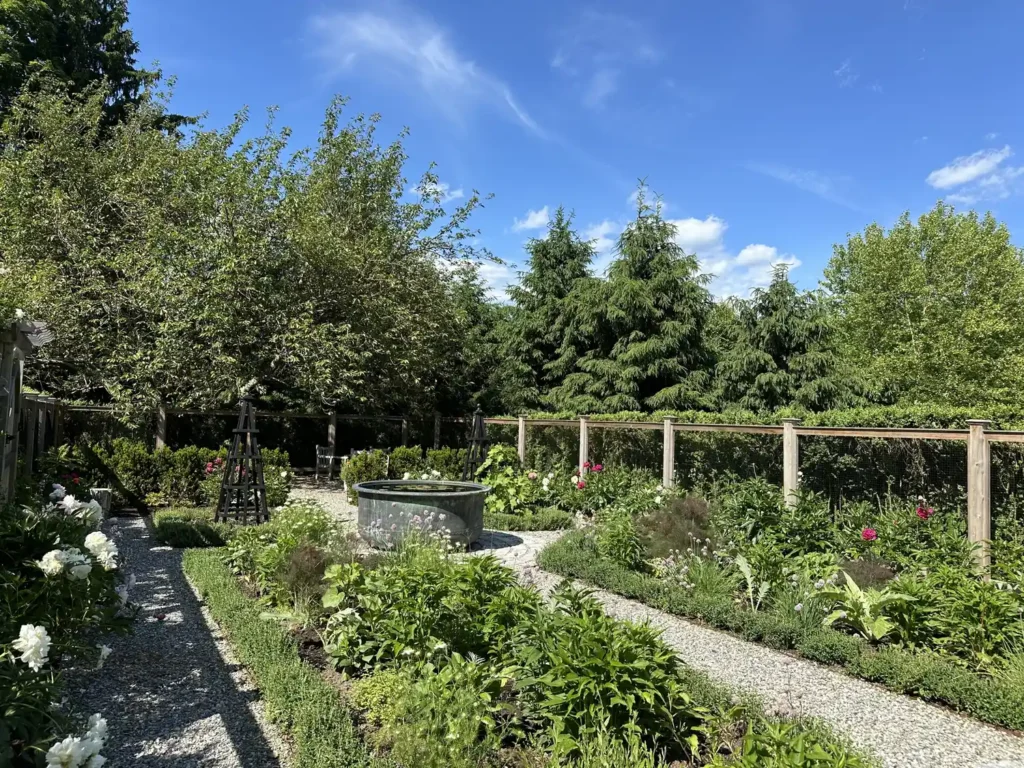
This image captures the essence of a beautifully structured, classic European kitchen garden, often called a potager. It features defined gravel paths, low hedge borders, and a striking central water trough, making the entire space feel intentional and serene. The structure works visually because the manicured borders and walkways contrast beautifully with the wilder, lush greenery inside the beds, preventing the space from ever looking overgrown or chaotic.
The mood here is sophisticated and restful, an intimate retreat where you can slowly wander and gather your dinner ingredients.
It creates a sense of tranquil abundance, proving that a vegetable garden can be just as gorgeous as a flower garden. To recreate this at home, focus on defining your paths first, perhaps with simple pea gravel and a low boxwood or thyme edging.
2. Define the Space with Arbors
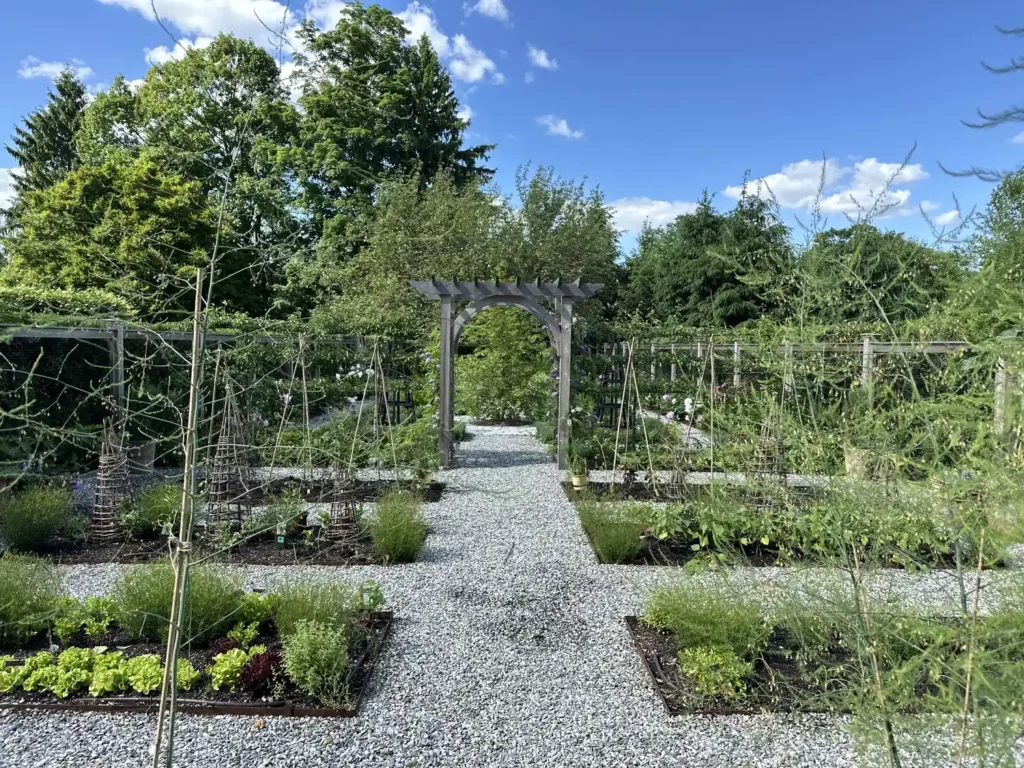
This stunning shot shows a formal, organized garden space where structural elements like arbors and defined beds bring elegant height and form. The gravel paths clearly delineate the walkways from the planting areas, keeping the entire scene clean and accessible. The lush, abundant greenery inside the beds suggests a highly productive and healthy garden ecosystem.
The design works because the vertical elements—like the arching wooden structure—draw the eye upward, giving the space a sense of grandeur and enclosure without feeling boxed in.
The mood is one of ordered abundance and timeless charm, evoking a sense of heritage gardening and tradition. A simple tip is to incorporate an archway or sturdy trellis at the entry point to your garden area; this instantly frames the view and elevates the entire design aesthetic.
3. Use Woven Raised Beds
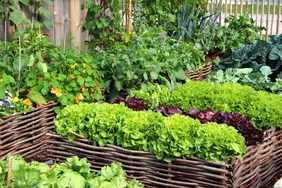
How gorgeous are these natural, rustic raised beds made from woven willow or sticks? They add incredible texture and organic charm to the garden, holding the rich soil while creating visual interest that feels straight out of a cozy cottagecore dream. The different levels of lettuce and leafy greens layered against the wicker provide a beautiful contrast in color and shape.
This design works aesthetically because the natural material connects the garden to the landscape seamlessly, avoiding the harsh lines of traditional lumber.
The energy here is welcoming, warm, and delightfully wild, proving that utility and beauty can absolutely coexist in the vegetable patch. You can easily find ready-made woven garden edgings or use flexible branches gathered on a nature walk to try this enchanting technique yourself.
4. Simple Wooden Box Layout
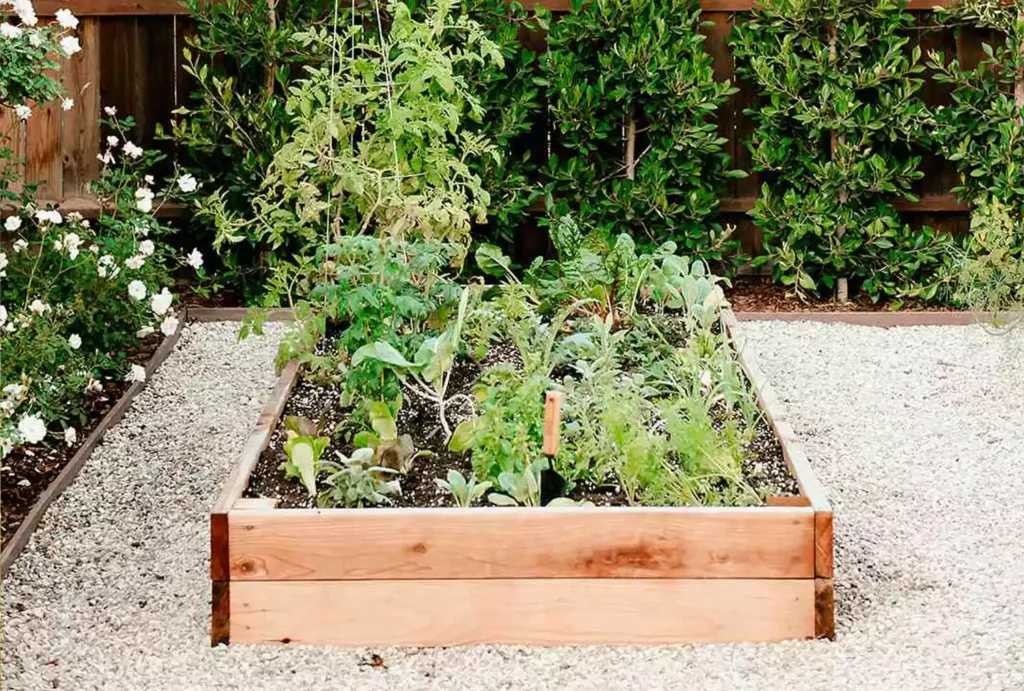
This image captures the clean, appealing simplicity of a basic wooden raised garden bed filled with rich, dark soil. The construction is straightforward, utilizing unpainted wood planks to create a perfect container for planting. The focus is entirely on the quality of the soil and the potential for new growth, suggesting a fresh, organized start to the gardening season.
The structure is functional and highly visual, defining a clear boundary between the garden area and the lawn, which immediately makes the space feel organized and deliberate.
It creates a mood of hopeful preparation and grounding simplicity—a blank slate waiting for your favorite seeds and seedlings. If you’re building your own, make sure to use rot-resistant wood like cedar or pine, and fill the base with a mix of organic material for happy, healthy plants!
5. Maximize Small Balcony Spaces
Even the smallest outdoor space, like this charming balcony, can become a thriving green oasis using smart vertical veggie garden ideas. The plants are contained in attractive terracotta pots and wooden containers, arranged on shelves and hung from the wall, utilizing every bit of vertical square footage. This setup includes a cozy wooden chair, inviting you to sit and enjoy your miniature harvest.
The design works visually by layering plants at different heights, which adds depth and prevents the small area from feeling cluttered.
This tiny space offers a mood of intimate tranquility and immediate access to fresh herbs, making urban gardening totally possible and chic. You can easily recreate this look by investing in a tiered wooden shelving unit and uniform terracotta pots for a neat, cohesive aesthetic.
6. Row Covers for Clean Lines
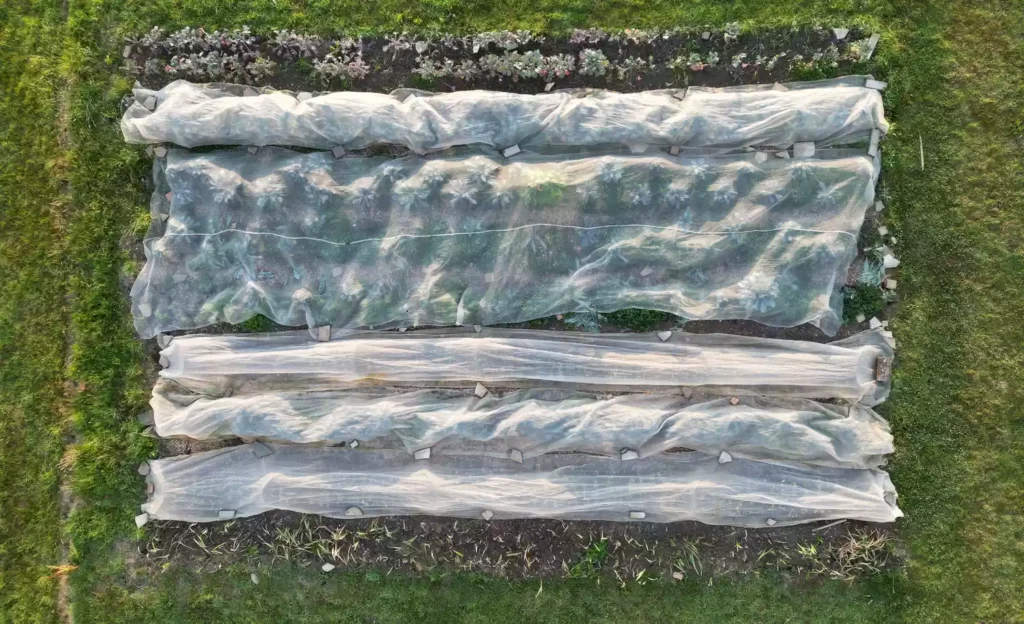
This aerial view highlights the practical elegance of using protective row covers, or simple netting, over garden beds. The fabric creates neat, uniform domes over the plants, providing protection from pests and harsh weather while also giving the garden a surprisingly modern, organized feel. The overall layout of the beds shows thoughtful spacing and planning.
Visually, the white covers create a lovely pattern against the dark soil and surrounding green lawn, emphasizing the structure and geometry of the plot.
The feeling here is one of care, meticulous planning, and successful cultivation—it looks professional yet completely accessible for the home gardener. Using lightweight insect netting is an expert tip for organic gardening; it protects your young veggies without relying on chemical sprays.
7. Hands-On Cultivation Moment
This intimate shot focuses on the hands-on joy of gardening, showing a person kneeling comfortably while tending to a neat row of young leafy greens. The dark, rich soil is visible, emphasizing the fundamental connection to the earth and the process of nurturing growth. The posture is peaceful and intentional, highlighting the meditative side of this hobby.
The composition works by drawing all attention to the simple, beautiful act of care, with the vibrant green seedlings representing hope and potential.
It creates a mood of connection, grounding, and quiet satisfaction—a moment of slow living cherished in the garden. Don’t forget to invest in a comfy kneeling pad or cushion so you can truly relax and enjoy these therapeutic moments close to the soil.
8. Display Your Garden Harvest
There is nothing more satisfying than seeing the tangible rewards of your hard work! This image beautifully styles a small, fresh harvest—including crisp radishes and a cucumber—alongside well-loved gardening tools like gloves and a trowel, all resting on the soil. It feels incredibly authentic and celebratory.
The visual appeal comes from the contrast between the rough, earth-stained tools and the pristine, brightly colored vegetables.
This scene evokes a feeling of accomplishment and cozy earthiness, celebrating the cycle of effort and reward. After your next harvest, try arranging your bounty on a simple wooden cutting board or basket for a gorgeous kitchen counter display before preparing your meal.
9. Spotlight Lush Leafy Greens
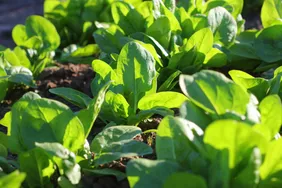
Behold the vibrant beauty of healthy spinach or similar leafy greens, glowing with life as the sun backlights the foliage! The light filtering through the leaves emphasizes their glossy texture and stunning, electric green color. They are tightly packed and thriving, hinting at the delicious, fresh salads to come.
Visually, this shot is arresting because the intense light makes the color pop and highlights the delicate veins of the leaves.
The mood is one of pure vitality and natural abundance, reminding us that simple greens are incredibly beautiful when grown with care. To get this level of lushness, remember to amend your soil with plenty of organic compost before planting leafy greens, as they are heavy nitrogen feeders.
10. The Joy of the First Cabbage
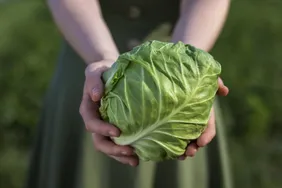
This delightful and intimate image focuses on the sense of scale and reward, with a person gently cupping a freshly harvested head of green cabbage. The hands cradle the vegetable protectively, emphasizing its dense, beautiful, ruffled texture. The muted green and dark background keeps the focus entirely on the bounty.
The image works visually because the large, round shape of the cabbage contrasts beautifully with the soft human hands, creating a sense of connection and appreciation.
It evokes a feeling of gentle pride and satisfying self-sufficiency—the ultimate garden success moment. When harvesting heads of cabbage, try to cut them slightly above the lowest leaves; often, the plant will produce smaller, second-round heads from the same root system!
11. Tiny Triumphs: Onion Sprouts
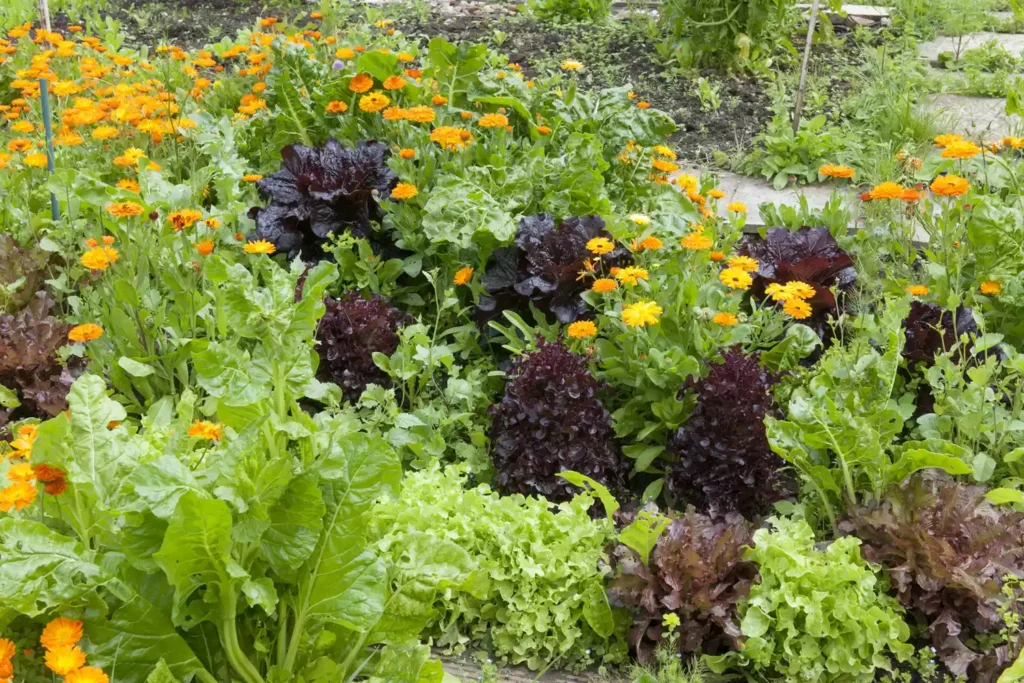
This close-up view celebrates the perfect geometry and quiet determination of young onion sprouts or scallions growing in perfect little rows. The vibrant green shoots stand tall and proud against the dark, fine soil, showcasing the satisfying precision of row planting. This tiny stage of growth holds so much promise for future flavor!
The visual is clean and focused, demonstrating how even the simplest plantings can be incredibly aesthetically pleasing when organized neatly.
It fosters a mood of neatness, intention, and hopeful beginnings, reminding us that big results start with tiny, perfect seeds. To achieve these straight, tidy rows, always use a taut piece of string or a small ruler to guide your furrow before dropping your seeds or setting your starts.
12. Embrace the Natural Dirtiness
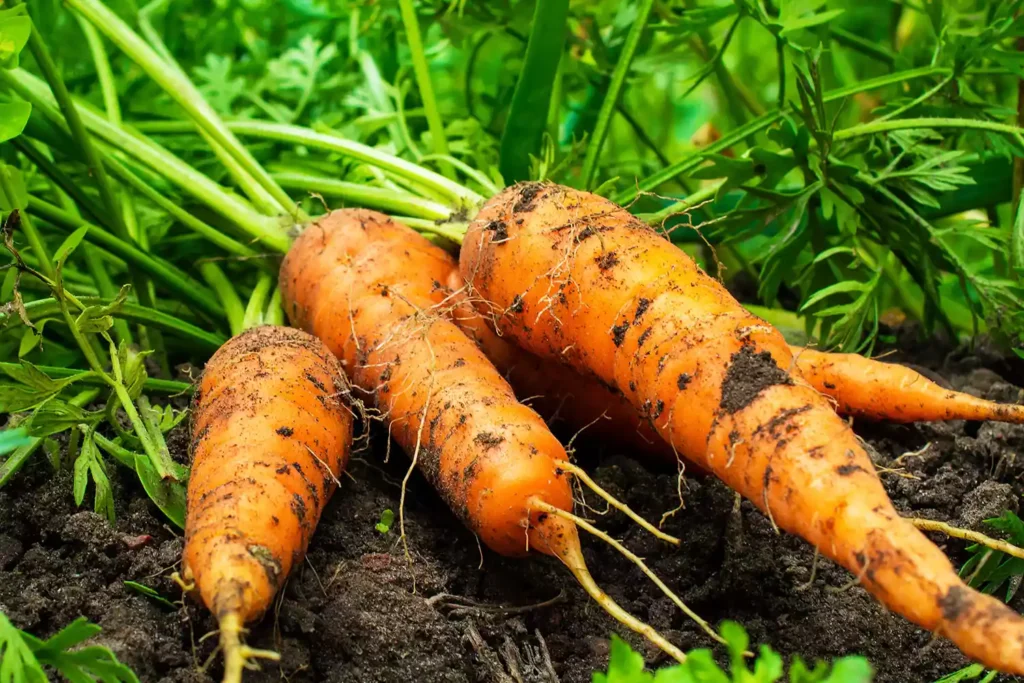
This image is a beautiful reminder that gardening is an inherently earthy and rustic activity, capturing a stunning bunch of freshly harvested carrots still coated in rich, damp soil. The deep orange of the carrots and the bright green tops create a gorgeous, high-contrast natural color palette. The soil clinging to them adds authentic texture and grounding detail.
The design works visually because it celebrates the raw, unpolished nature of gardening—it’s honest and authentic.
The feeling this creates is pure, down-to-earth satisfaction and connection to the growing process. When you harvest root vegetables, gently brush off the excess dirt right in the garden so you can use that precious soil amendment right back in your beds.
13. Staking Up Climbing Tomatoes
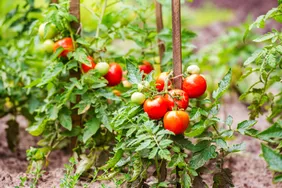
Look how happy and fruitful these tomato plants are, growing vertically up simple wooden stakes! Training climbing vegetables like this is one of the smartest veggie garden ideas for utilizing space and keeping fruit off the ground, which reduces disease. The bright red and green tomatoes contrast beautifully with the simple, rustic support structure.
The design works visually by adding height and dimension to the bed, making the harvest process easier and creating a lush, vertical wall of color.
It creates an energy of efficient abundance and classic summer productivity—nothing says “harvest season” quite like a vine full of tomatoes. When staking tomatoes, be sure to use soft ties or old fabric strips to secure the branches to the stake, preventing them from being damaged or cut by hard twine.
14. A Burst of Garden Color
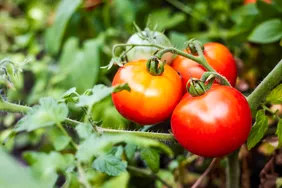
This super close-up shot is a celebration of the ripening stage, showcasing glossy red and orange tomatoes nestled among the green foliage. Seeing multiple stages of ripeness—from green to fully crimson—on a single vine is incredibly rewarding and beautiful. The lighting highlights the smooth, perfect skin of the fruit.
The visual appeal is all about the vibrant color pop, a rich, warm contrast that instantly grabs attention and evokes summer flavor.
This image creates a mood of sweet anticipation and sun-drenched flavor; you can almost taste that juicy, garden-fresh tomato slice! Remember that tomatoes taste best when allowed to ripen fully on the vine, so be patient for that truly deep red color before harvesting.
15. Pole Beans for Verticality

Utilizing vertical space is a game changer, and this shot of vibrant green pole beans hanging from their support shows exactly why. The long, slender pods are interspersed with delicate white blossoms, indicating that the plant is still actively producing new beans. The sheer abundance hanging there is totally dreamy!
The structure works visually because the vertical orientation creates an organized wall of green that saves precious horizontal garden space.
The mood is one of thriving productivity and lush, healthy growth, demonstrating how easily you can grow a feast upward. If you’re growing pole beans, ensure your trellis or support structure is sturdy; the weight of the mature vines covered in beans can be surprisingly heavy!
16. Sweet Peas on the Vine

This close-up captures the delicate beauty of fresh green pea pods growing alongside tiny, sweet white flowers. The pods are plump and ready, promising a satisfyingly sweet snack right there in the garden. This image showcases the gentle, fragile side of the vegetable garden.
The design works visually due to the fine, winding tendrils that add intricate texture against the broad green leaves, making the plant itself a piece of art.
It creates a feeling of gentle nourishment and light, playful energy—picking peas right off the vine is such a childhood core memory! Peas are one of the best cool-weather vegetables to plant early in the spring; they love a light frost and offer a wonderful early harvest.
17. Climbing Squash on Trellis
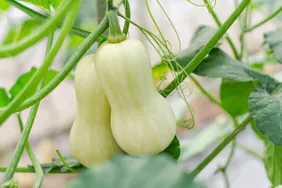
Who says squash has to sprawl all over the ground? This gorgeous picture shows pale, creamy butternut squash hanging vertically from a sturdy trellis or arbor. The slightly elongated, unique shape of the squash is perfectly highlighted as it hangs against the green leaves and twisting tendrils.
The aesthetic works because it transforms a traditionally sprawling vegetable into a structured, eye-catching element that is easy to harvest.
This clever setup inspires a mood of productive innovation and slightly unexpected beauty, proving you can grow almost anything upward. When training climbing squash varieties, ensure you tie them to the trellis loosely so the stem can continue to thicken as the fruit develops.
18. Ground Cover Zucchini Crop
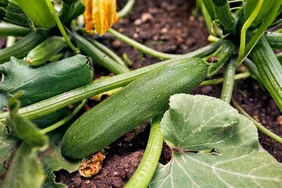
This stunning, dark-toned image captures a perfectly formed green zucchini resting close to the soil, surrounded by its enormous, textured leaves and a peek of a yellow blossom. The low angle emphasizes the sprawling, generous nature of this easy-to-grow summer squash. It looks incredibly fresh and ready for harvest.
The visual is rich and moody, using the contrast between the dark, moist soil and the vibrant green fruit to great effect.
It fosters a mood of quiet abundance and satisfying earthiness, proving that even a single zucchini plant can feel like a lush, generous bounty. When harvesting, aim to cut the zucchini off when it’s young and tender, usually around seven to eight inches long, for the best flavor and texture.
19. Celebrate the Baby Blossoms
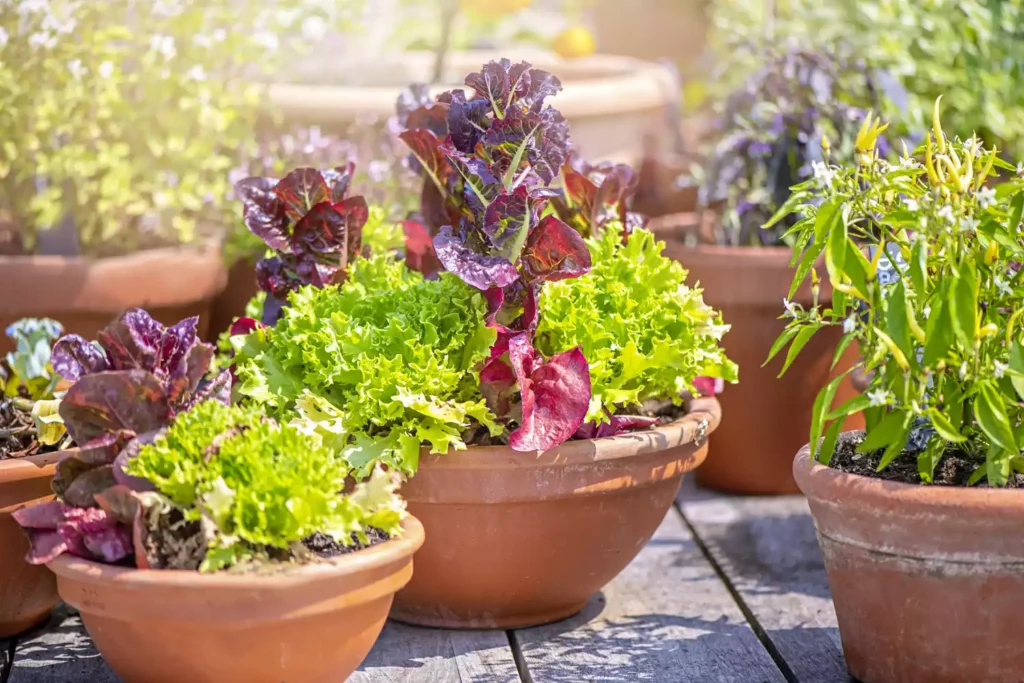
This sweet moment captures a hand gently pointing toward a tiny, bright yellow squash or cucumber blossom nestled in the leaves. The blossom is the promise of future fruit, reminding us of the beautiful reproductive cycle of the plants we nurture. It’s an intimate moment of checking on the garden’s progress.
The composition works by highlighting the small, delicate flower against the massive green leaves, emphasizing the fragility and magic of growth.
It creates a mood of hopeful anticipation and tender care, reminding you to look closely at the small, beautiful details in your garden. If you see a lot of blossoms but no fruit, you might need to try hand-pollinating by transferring pollen from the male flower to the female flower.
20. Creative Fruit Tree Training
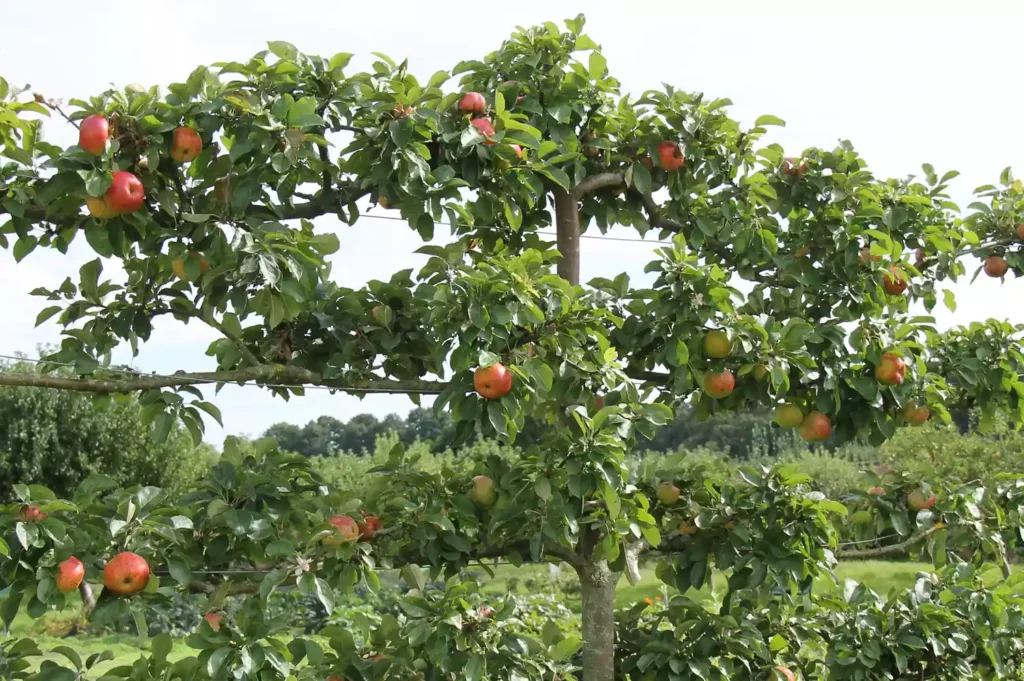
This picture shows a beautiful, space-saving technique called espalier, where a fruit tree, likely an apple or pear, is trained to grow flat against a wall or fence using horizontal wires. The structured geometry of the branches contrasts wonderfully with the soft green leaves and the surrounding garden. It is a stunning example of garden artistry.
The design works visually by integrating structure and productivity into a narrow space, transforming a simple fence line into a functional piece of décor.
The feeling here is one of old-world charm, patience, and meticulous, rewarding design work. Espalier is an incredible solution if you want to grow fruit trees but only have a small or narrow area available along a sunny wall.
21. Mix in Flowers for Contrast
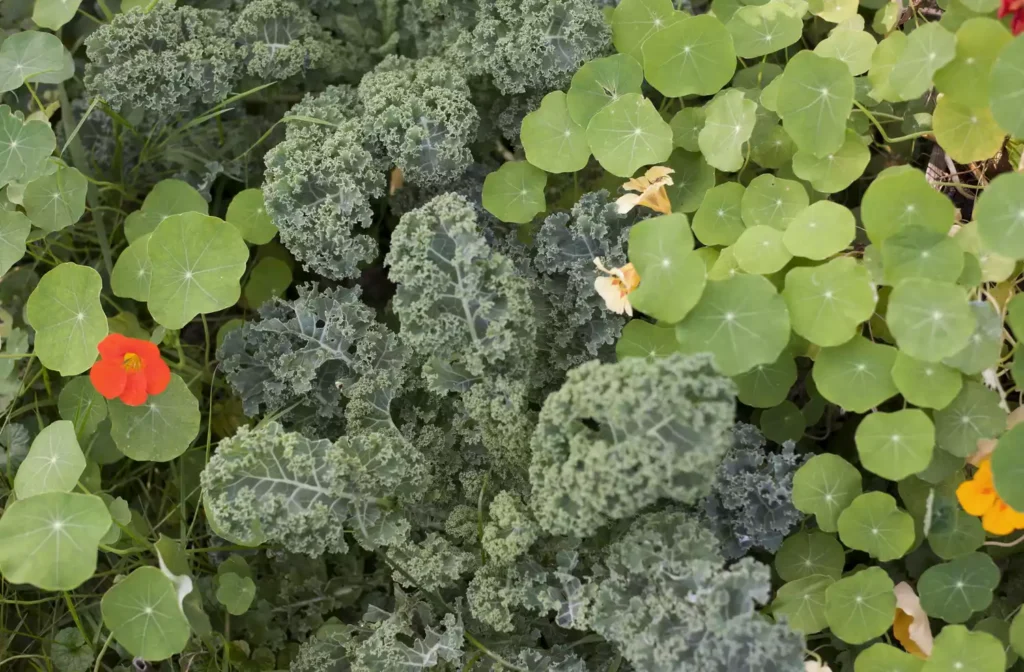
One of the best veggie garden ideas is interplanting! This image shows the striking visual effect of mixing kale or other deep green brassicas with the cheerful, brightly colored orange and yellow nasturtium flowers. The flowers are edible and also serve as perfect companion plants, often deterring pests from the vegetables.
The aesthetic works beautifully because the vibrant floral colors provide a cheerful contrast to the cool, moody greens of the kale.
This arrangement creates a feeling of buzzing vitality, natural balance, and organic beauty—a garden where everything works together happily. Planting flowers like marigolds or nasturtiums throughout your vegetable patch is a simple, beautiful, and highly effective pest control tip.
22. Attract Sweet Pollinators
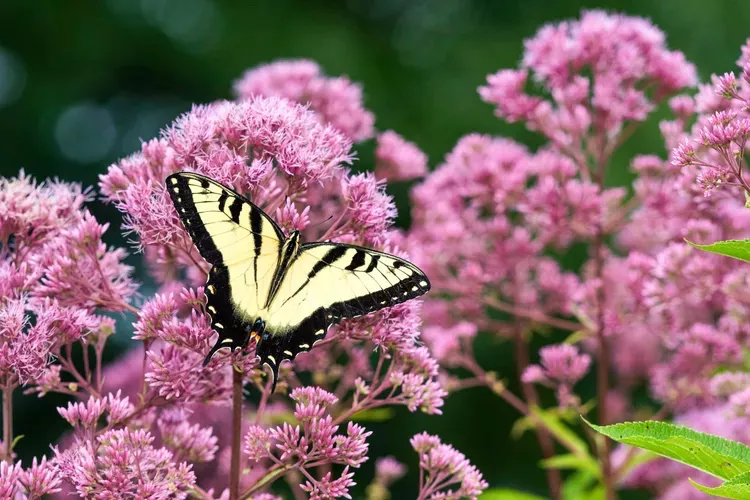
This gorgeous close-up shows a large, yellow swallowtail butterfly happily perched on a clump of pink flowers, likely a type of pollinator-friendly perennial. While not a vegetable, including plants that attract bees and butterflies is absolutely essential to ensure a high-yield garden. The sunlit wings are absolutely dazzling.
The visual is captivating because it captures a moment of natural beauty and motion, symbolizing the health of the garden ecosystem.
This scene gives off a joyful, harmonious, and lively mood, reminding us that we are sharing our garden with essential, beautiful creatures. Be sure to dedicate a small sunny patch just for flowers like zinnias, cosmos, or coneflowers to ensure a steady supply of helpful pollinators near your vegetables.
23. Use Edible Ground Cover
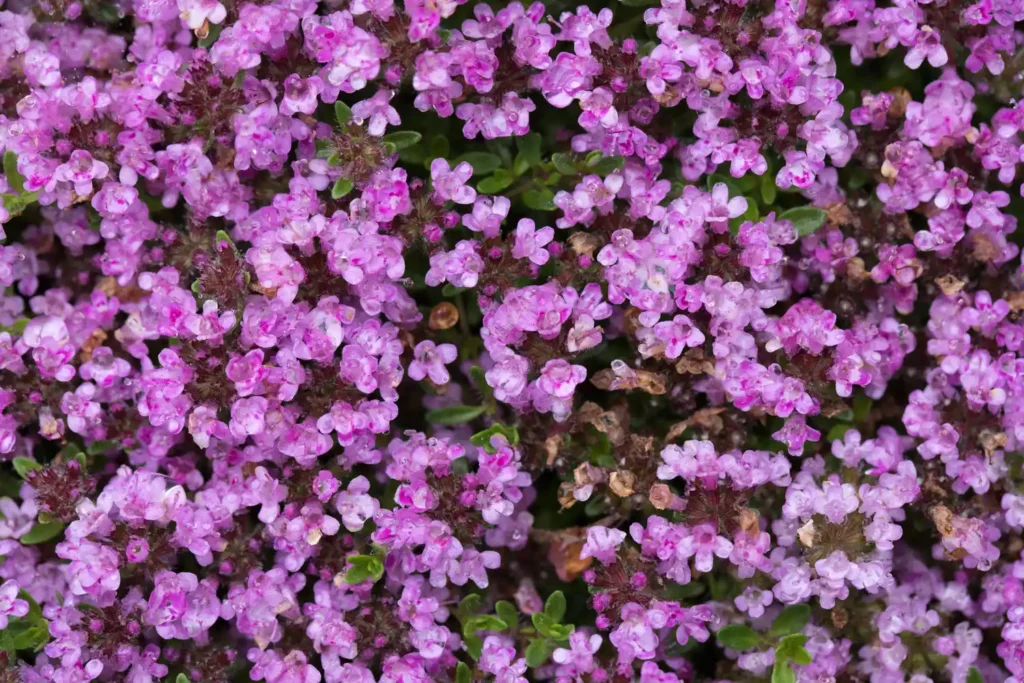
This detailed close-up of low-growing, tiny purple flowers, likely flowering thyme, shows how you can use edible herbs as a soft, fragrant ground cover in between stepping stones or along bed edges. The mass of purple and the subtle green leaves creates a beautiful, dense tapestry of texture.
The design works visually by filling in negative space with something beautiful and productive, creating a lush carpet effect in the garden.
The feeling is one of soft, wild charm and incredible fragrance—stepping on the thyme releases a gorgeous scent. Creeping thyme is a wonderful, low-maintenance herb that is perfect for planting in sunny, dry spots where you want to suppress weeds without using mulch.
24. Label Your Potted Herbs
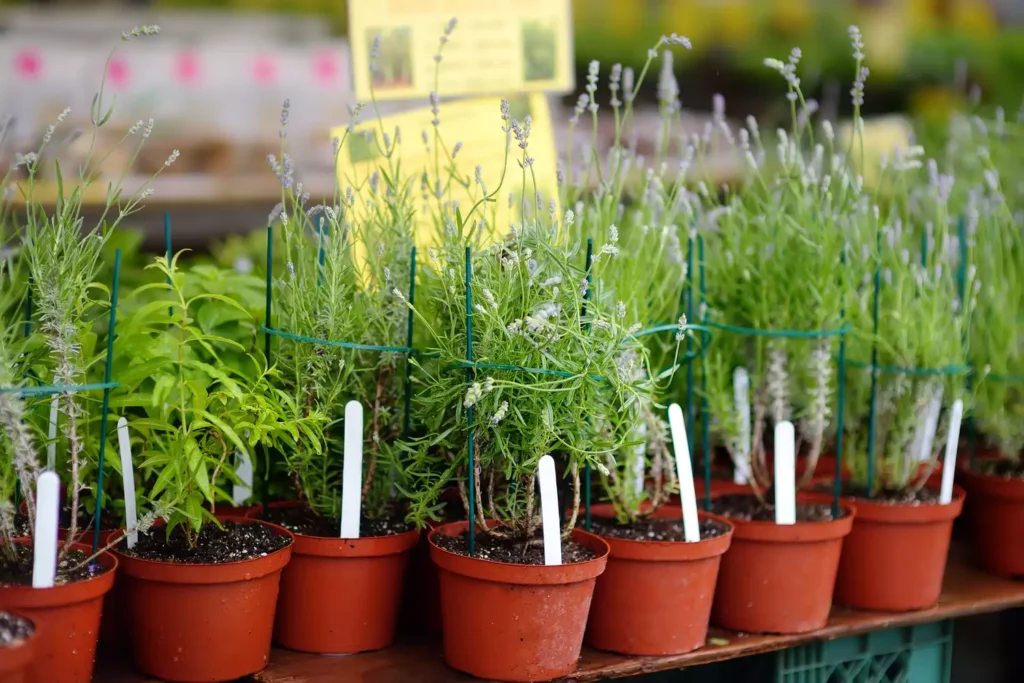
This setup shows how charming a collection of potted herbs can be, especially when they are neatly organized and labeled with cute, rustic wooden plant tags. The terracotta and metal pots hold lush lavender and other herbs, giving the arrangement an organized, country-chic feel.
The aesthetic works because the uniform pots and simple labels create a sense of cohesion and order among the different types of plants.
This grouping fosters a mood of domestic calm and organized productivity—everything has its proper place. Try using simple, chalk-painted wooden stakes or even repurposed spoons with labels to make your own adorable, personalized garden markers!
25. Focus on Fragrant Rosemary
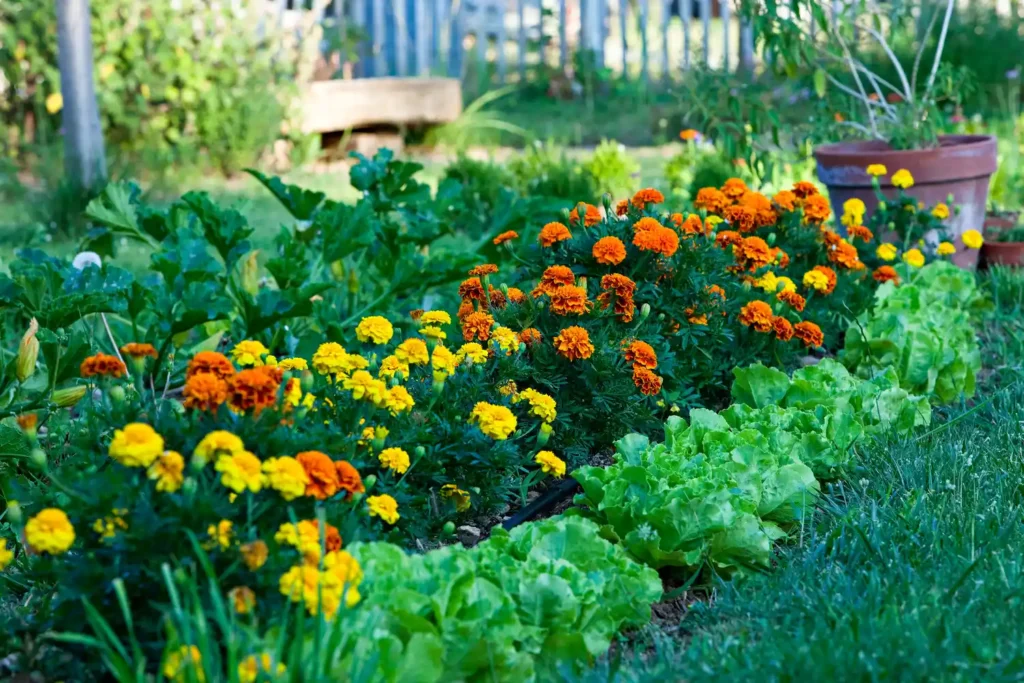
This vibrant close-up captures the textured, needle-like foliage of a thriving rosemary bush. The sunlight catches the leaves, highlighting the rich green color and the incredible density of the plant. It looks incredibly healthy and ready for a savory harvest.
The visual appeal lies in the sharp, detailed texture of the rosemary, which provides a wonderful contrast to broad-leafed vegetables.
This photo inspires a mood of Mediterranean warmth and incredible fragrance; it’s a herb that instantly transports you to a sunny kitchen. Rosemary loves bright sun and good drainage, so if you are growing it in a container, make sure your pot has excellent drainage holes.
26. Wild and Lush Herbal Patches
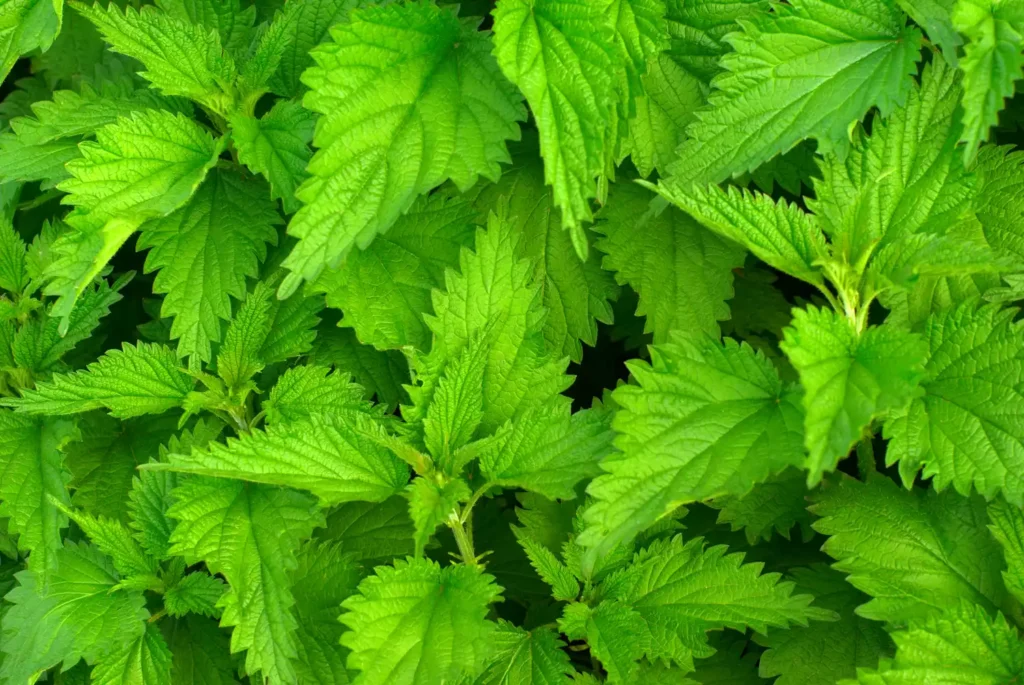
This intimate shot highlights the beauty of an untamed, dense patch of large leafy herbs or greens. The overlapping leaves create a lush, layered visual texture that feels abundant and deeply healthy. It represents the successful, thriving energy of a well-nourished plant.
The aesthetic works because the darkness and density of the green foliage feel protective and deeply rooted, showcasing the vitality of nature.
It creates a mood of organic wildness and rich, untamed abundance, a beautiful contrast to the more manicured areas of the garden. Letting some of your herbs, like mint or lemon balm, grow in their own designated, slightly wild patch can actually lead to better flavor and higher yields.
27. The Promise of Young Seedlings
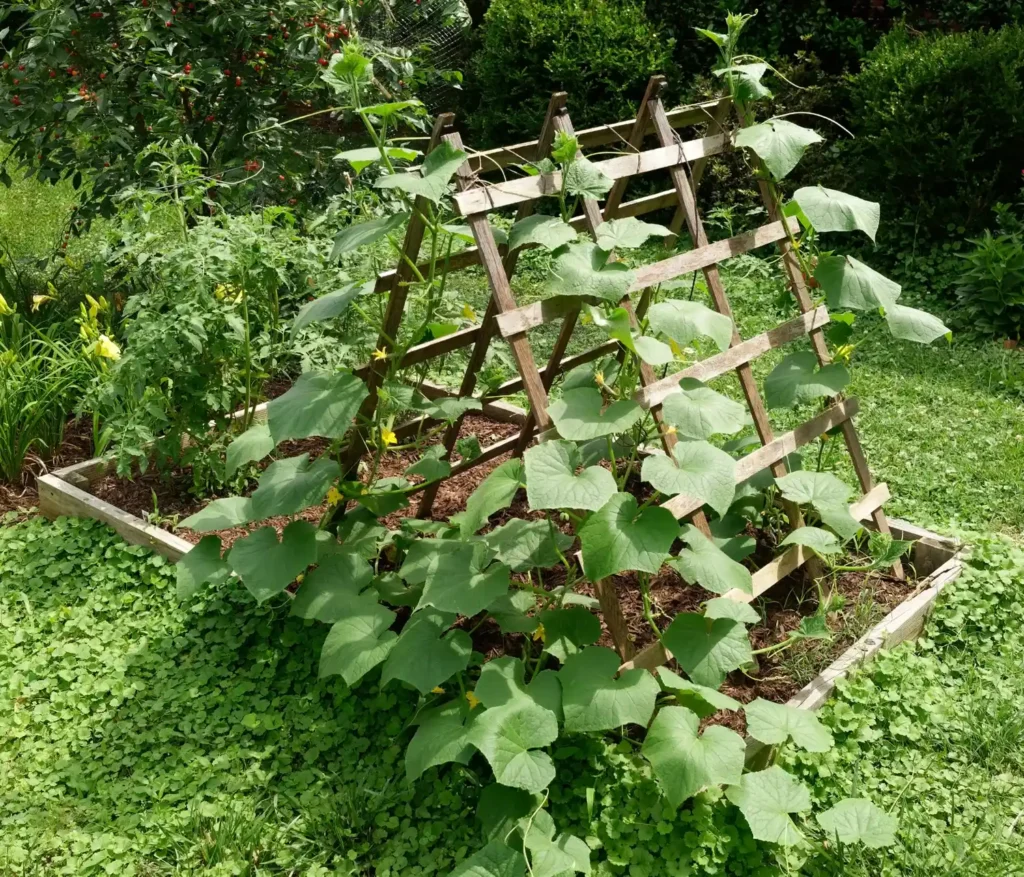
This image is a gentle celebration of new life, showing a cluster of tiny, tender green seedlings emerging from the dark, moist soil. This is the moment where hope and potential are at their highest! The scale is small, reminding us of the fragility and miracle of starting from seed.
The visual is incredibly poignant because the delicate, almost translucent leaves contrast dramatically with the grounding, earthy soil.
It evokes a mood of freshness, innocence, and beautiful anticipation for the season ahead. When you see your tiny seedlings emerge like this, be sure to thin them out according to package directions; giving them space now ensures a stronger, healthier mature plant later.
28. Cottagecore Herb Bundles
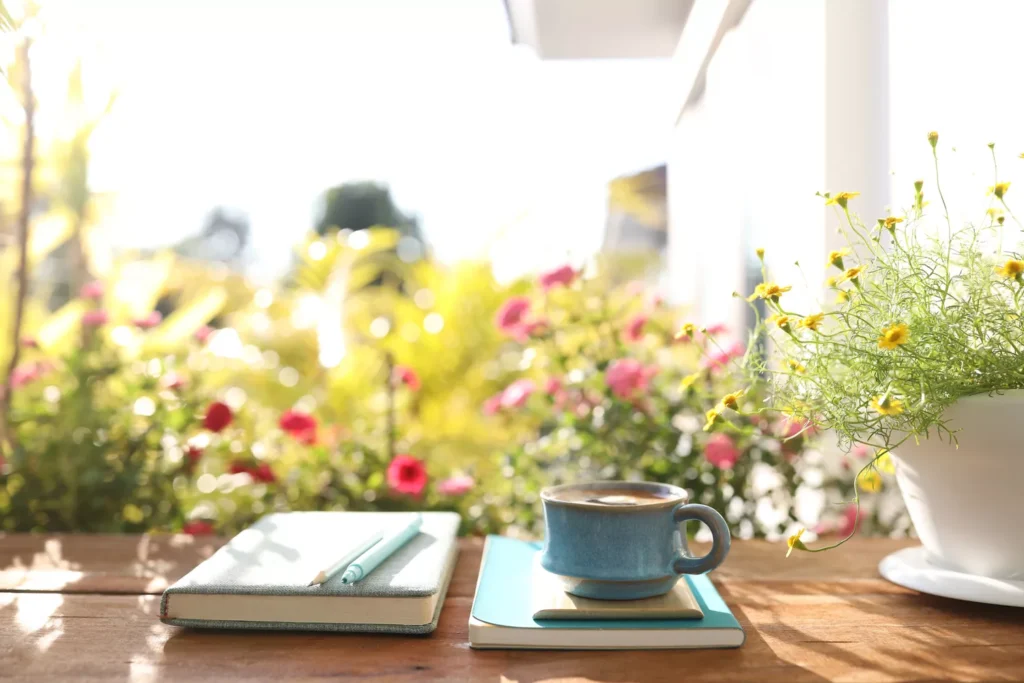
After a day of successful gardening, this is the perfect, rustic way to enjoy the fruits (and herbs!) of your labor. This image features beautiful, neat bundles of fresh herbs—like dill, parsley, and thyme—tied and laid out on a weathered wooden surface. It’s an aesthetically pleasing moment of kitchen preparation and preservation.
The design works visually by showcasing the different textures and shades of green in a simple, organized display that feels straight out of a cozy farmhouse kitchen.
This picture creates a mood of quiet domesticity and rewarding, delicious self-sufficiency. Drying or preserving your extra herbs is a fantastic way to extend your garden harvest and enjoy those fresh flavors all winter long.
Now you have so many dreamy veggie garden ideas to play with, whether you’re starting with a tiny balcony or a whole sunny patch in the backyard! Remember, the goal is simply to get outside, enjoy the process, and nourish yourself with something beautiful you grew with your own two hands. Don’t feel like you have to implement everything at once—just pick one idea that feels cozy and exciting, and run with it! Happy planting, gorgeous.
Would you like me to find some helpful companion planting guides for the specific vegetables you’re interested in growing?